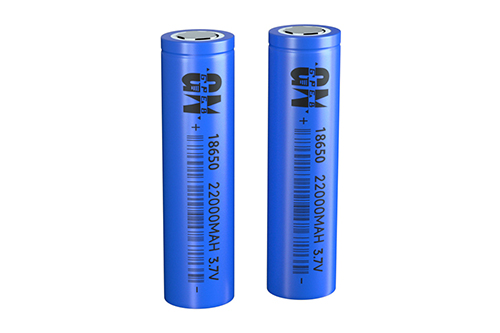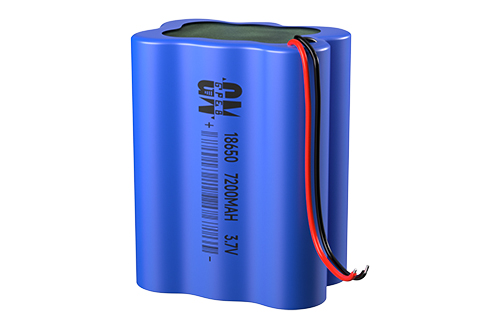
18650 rechargeable battery lithium 3.7v 3500mah
CH
About Us
Company Profile Development History Sales Network Partner Social Responsibility
Products
Rechargeable Battery Battery Packs Energy Storage Battery Primary Battery Handicraft Article
Subsidiary Company
SINO TECHNOLOGY SUNBEAM GREEN POWER DATAPOWER SEONG-HEE STD
Honor
Qualification Certificate Patent Certificate Honor Certificate
R&D
R&D Center Test Center
News
Company News Industry News
Contact Us
Other information
product
polymer lithium battery Primary battery Rechargeable Battery LR03 alkaline battery
18650 rechargeable battery lithium 3.7v 3500mah

News

Home  >  News  >  Industry News

Company News

Industry News

Innovation in Lithium Battery Electrolyte Formulations

source:Industry News release time:2025-08-16 Hits:     Popular:AG11 battery

Innovation in lithium battery electrolyte formulations is a critical area of research aimed at enhancing battery performance, safety, and sustainability. Traditional electrolytes, typically composed of lithium hexafluorophosphate (LiPF) dissolved in organic carbonates like ethylene carbonate (EC) and dimethyl carbonate (DMC), face limitations such as narrow operating temperature ranges, flammability, and degradation under high voltages. Recent breakthroughs focus on developing novel compositions that address these issues while improving ion conductivity and electrochemical stability.

One significant innovation is the integration of additives to modify electrolyte properties. For example, fluoroethylene carbonate (FEC) is widely used to form a stable solid-electrolyte interphase (SEI) layer on the anode, reducing capacity fade and improving cycle life. Other additives, such as vinylene carbonate (VC) and lithium bis(oxalato)borate (LiBOB), enhance thermal stability and suppress dendrite growth in lithium metal batteries. These additives, often used in concentrations of 1-5%, can drastically improve battery safety by reducing the risk of thermal runaway.

Another area of advancement is the development of non-flammable electrolytes. Ionic liquids, which are molten salts with low vapor pressure and high thermal stability, are being explored as alternatives to organic solvents. Their non-volatile nature minimizes fire hazards, making them suitable for high-energy-density batteries in electric vehicles and energy storage systems. However, challenges such as high viscosity and cost have prompted research into hybrid formulations, combining ionic liquids with organic solvents to balance conductivity and safety.

Solid electrolytes represent a transformative innovation, eliminating the need for liquid solvents entirely. Ceramic materials like lithium garnets (LiLaZrO₁₂) and sulfides (Li₁₀GePS₁₂) offer high ionic conductivity and mechanical strength, preventing dendrite penetration and enabling the use of lithium metal anodes. Solid-state electrolytes also operate over a wider temperature range (-40°C to 100°C), making them ideal for extreme environments. Despite progress, issues like poor interfacial contact between solid electrolytes and electrodes remain, requiring innovative engineering solutions such as buffer layers or composite structures.

Sustainable electrolyte formulations are also gaining traction, with researchers exploring bio-based solvents derived from renewable resources like vegetable oils or sugars. These materials reduce environmental impact during production and disposal while maintaining performance. Additionally, water-based electrolytes, once limited to low-voltage systems, are being optimized with new salts and additives to enable use in high-voltage lithium-ion batteries, offering a safer and more eco-friendly alternative.

These innovations in electrolyte formulations are pivotal for advancing lithium battery technology, enabling longer-lasting, safer, and more sustainable energy storage solutions for diverse applications.


Read recommendations:

LR61

Lithium battery metal element-lithium.LR521 battery

Technical requirements for batteries

522749 battery sales

602535 polymer battery

Last article:Lithium-Ion Battery Thermal Management System Design

Next:Lithium-Battery Cell Design & Performance Optimization

Popular recommendation

li ion 18650 battery pack company

2023-05-09

lifepo4 battery pack 48v

2023-05-09

603450 lipo battery company

2023-03-22

32700 battery manufacturer

2023-03-22

14500 battery Manufacturing

2023-03-22

LR20

2022-12-07

803040 1000mAh 3.7V

2022-08-19

3.2V 50Ah

2022-10-12

R20

2022-08-19

Ni-MH AA800mAh 1.2V

2022-07-01

18650 4800MAH 3.7V

2022-07-29

775767 3500MAH 7.4V

2023-06-10

Ni-MH AA1500mAh 1.2V

2022-07-01

18650 2600mAh 3.7V

2022-08-19

Lithium Battery GN72100

2022-08-19

1800mah 18650 battery

2023-06-25

r03 battery

2023-06-25

AA Ni-MH batteries

2023-06-25

1.2V NiMH battery

2023-08-04

AG7 battery

2023-06-25

Unveiling the Advantages of High - Performance Lithium - Ion Batteries

2025-04-10

Analysis of technical difficulties in concentrated photovoltaic power generation system

2024-01-24

How to use lead -acid batteries.18650 li ion rechargeable battery wholesaler

2023-04-21

Available Capacities of Lithium - ion Batteries

2025-03-06

Lithium battery manufacturers explain what is the use of lithium ion batteries?lithium iron phosphat

2023-03-17

Which of lithium titanate batteries and lithium iron phosphate batteries is better?

2023-02-24

Where is the advantage of equipment using lithium iron phosphate batteries?energy storage battery fo

2023-04-19

What are the common misunderstandings of lithium batteries?CR1220 battery

2023-06-05

lithium 3400mah 3.7v 18650 battery.Lithium battery power supply system monitoring circuit analysis

2023-10-14

Impact of lithium battery value.18650 rechargeable battery lithium 3.7v 3500mah.18650 battery lithiu

2023-08-08
360° FACTORY VR TOUR
lithium ion battery 18650 priceWhatsapp
lithium ion battery 18650 price

lithium ion battery 18650 priceTel
+86 19925278095

lithium ion battery 18650 priceEmail
admin@sino-techgroup.com

TOP