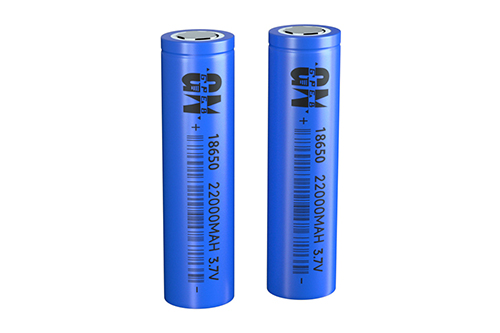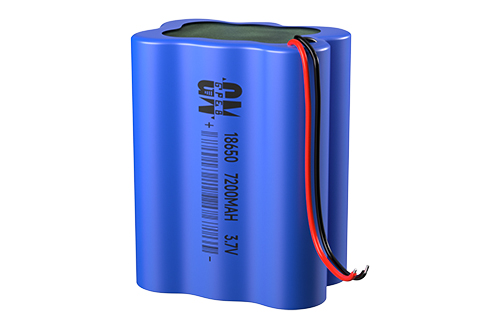
18650 rechargeable battery lithium 3.7v 3500mah
CH
About Us
Company Profile Development History Sales Network Partner Social Responsibility
Products
Rechargeable Battery Battery Packs Energy Storage Battery Primary Battery Handicraft Article
Subsidiary Company
SINO TECHNOLOGY SUNBEAM GREEN POWER DATAPOWER SEONG-HEE STD
Honor
Qualification Certificate Patent Certificate Honor Certificate
R&D
R&D Center Test Center
News
Company News Industry News Product Certificate
Contact Us
Other information
product
polymer lithium battery Primary battery Rechargeable Battery LR03 alkaline battery
18650 rechargeable battery lithium 3.7v 3500mah

News

Home  >  News  >  Industry News

Company News

Industry News

Product Certificate

Considerations for Ensuring Lithium Battery Capacity and Lifespan

source:Industry News release time:2025-07-15 Hits:     Popular:AG11 battery


  Maintaining the capacity and lifespan of lithium batteries requires careful attention to usage patterns, environmental conditions, and charging practices, as these factors directly impact the battery’s chemical stability and performance over time. Lithium-ion batteries, widely used in electronics, electric vehicles, and energy storage systems, degrade gradually due to internal chemical reactions, but proper care can slow this process significantly.

  One key consideration is avoiding extreme charge states. Keeping the battery between 20% and 80% charge minimizes stress on its electrodes. Fully charging to 100% or discharging to below 5% causes lithium plating on the anode—a phenomenon where lithium ions form metallic deposits instead of embedding in the electrode material—permanently reducing capacity. Smart chargers with “trickle charge” features help by stopping charging once 100% is reached, preventing overcharging. For electric vehicles, many manufacturers include settings to limit charging to 80% for daily use, preserving long-term lifespan.

  Temperature control is equally critical. Lithium batteries perform best between 20°C and 25°C. Exposure to high temperatures (above 35°C) accelerates electrolyte degradation and increases self-discharge rates, while extreme cold (below 0°C) temporarily reduces capacity and impairs charging efficiency. Storing batteries in a cool, dry place—avoiding direct sunlight or heat sources like radiators—slows aging. For example, leaving a smartphone in a hot car or a laptop in direct sunlight can shorten its battery life by 20–30% over a year.

  Avoiding frequent high-current discharge also preserves lifespan. Activities like fast gaming on mobile devices or rapid acceleration in electric vehicles draw large currents, causing heat buildup and stressing the battery. While occasional high-drain use is acceptable, consistent heavy loads increase the rate of electrode wear. Using power-saving modes on electronics or driving electric vehicles in eco mode reduces current demand, extending battery life.

  Regular, moderate use is better than prolonged inactivity. Batteries stored at full charge for months lose capacity faster than those stored at 40–50% charge. For seasonal equipment like power tools or electric scooters, partially charging before storage and recharging every 3–6 months maintains optimal health. Additionally, avoiding physical damage—such as drops or punctures—prevents internal short circuits, which can cause thermal runaway and catastrophic failure.

  By following these practices—managing charge levels, controlling temperature, limiting high-current use, and maintaining regular activity—users can maximize lithium battery capacity and extend lifespan, ensuring reliable performance for years.


Read recommendations:

18500 1000MAH 3.7V

Requirements for the formation and capacity separation accuracy of lithium batteries.no. 7 alkaline

Lithium-Battery Cell Design & Performance Optimization

convenient energy storage power supply company

AA rechargeable battery

Last article:Square Lithium Batteries for Portable Devices

Next:Selection of Polymer Battery Separators

Popular recommendation

lifepo4 battery 3.2v

2023-03-22

photovoltaic energy storage battery Processing

2023-05-10

3.7v 18650 battery pack

2023-03-22

18650 1800mah battery

2023-03-22

603450 lipo battery company

2023-03-22

603450 1200MAH 3.7V

2023-06-10

Ni-MH AAA1000mAh 1.2V

2022-07-01

801520 180mAh 3.7V

2022-08-19

Colorful cup humidifier

2022-07-22

6F22

2023-02-18

Coin Battery LR 936

2022-10-15

14250 280MAH 3.7V

2022-10-15

401030 90MAH 3.7V

2023-06-12

Home energy storage battery GN-BOX3

2022-09-27

R14

2022-12-01

NiMH battery packs manufacturer

2023-08-04

18650 battery 3.7v 1800mah

2023-06-25

lithium ion battery 18650 price

2023-06-25

2200mah 18650 battery

2023-06-25

9V USB 1.5V 1000mWh

2022-06-27

CCS certification standards for lithium batteries for electric ships

2024-07-26

Military low-temperature lithium battery packs are the preferred choice for customized power supplie

2024-06-12

How to choose a high -quality lithium battery?

2023-03-06

What should be paid attention to when assembling lithium batteries

2022-11-04

Power Output of Lithium-Ion Batteries for Power Applications

2024-10-29

Wet recovery of lithium iron phosphate batteries.R03 Carbon battery

2023-08-21

18650 lithium battery 3000mah.Selection of zinc alloy powder for low mercury in alkaline batteries

2023-10-13

Fully sealed lithium manganese battery.18650 battery lithium ion 2200mah

2023-07-06

What is the difference between lithium ion battery and nickel -metal hydride battery?lifepo4 solar p

2023-03-16

18650 lithium rechargeable battery.18650 lithium-ion battery pack production process

2023-10-13
360° FACTORY VR TOUR
lithium ion battery 18650 priceWhatsapp
lithium ion battery 18650 price

lithium ion battery 18650 priceTel
+86 19925278095

lithium ion battery 18650 priceEmail
admin@sino-techgroup.com

TOP