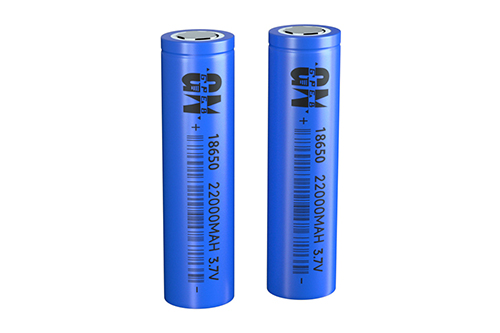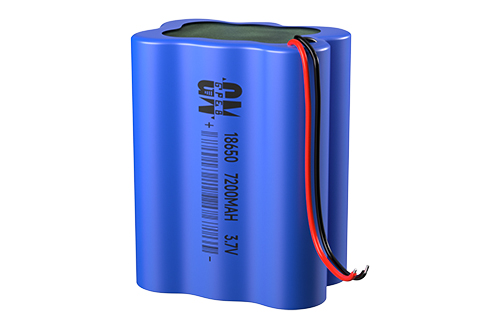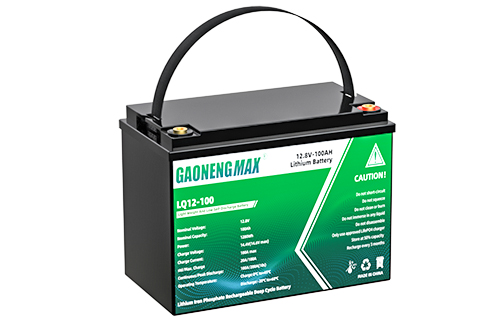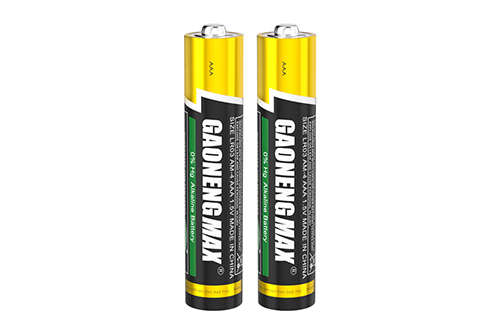
Lithium Battery 3.7V Lithium Polymer Battery 3.2V LifePo4 Battery 1.2V Ni-MH Battery Button Coin Battery

3.7V Battery Pack 7.4V Battery Pack 11.1V Battery Pack 14.8V Battery Pack Other Battery Pack
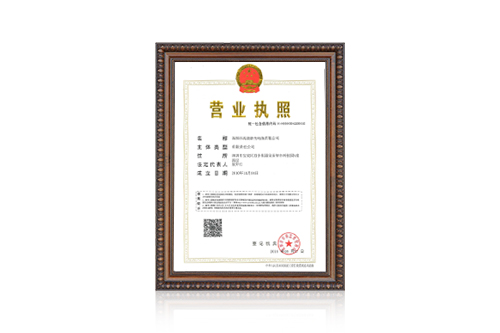
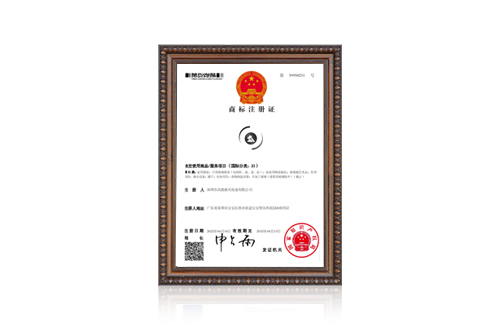
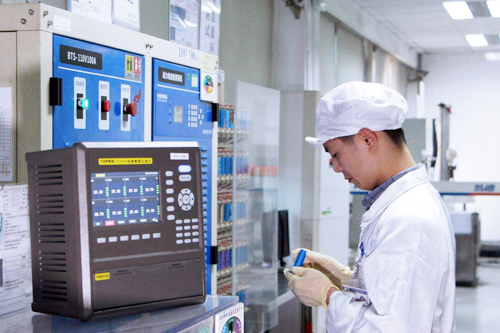
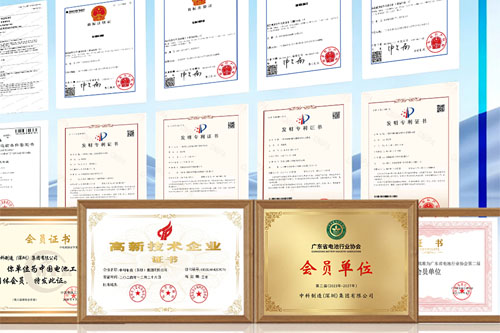
Sino Science&Technology Battery Co.,ltd is a high-tech production enterprise which specialize in the R&D and production of Lifepo4 batteries,energy storage battery,portable UPS power supply,personalized customization lithium battery pack etc .

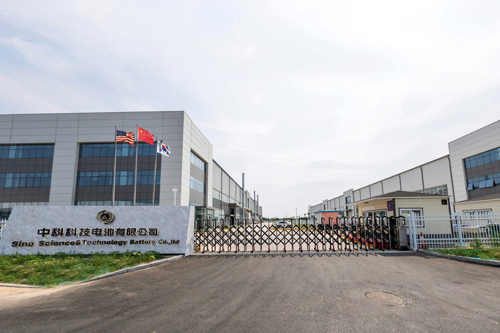
Environmental cylindrical 18650 21700 32700 26650 14500 18500 lithium ion rechargeable battery, LifePO4 battery,3.7V lithium polymer battery, NiMH battery , NiCD battery ,Lead acid battery,dry cell battery ,alkaline battery ,heavy duty battery, button cell battery etc. we devote to R&D,innovation ,production & sales

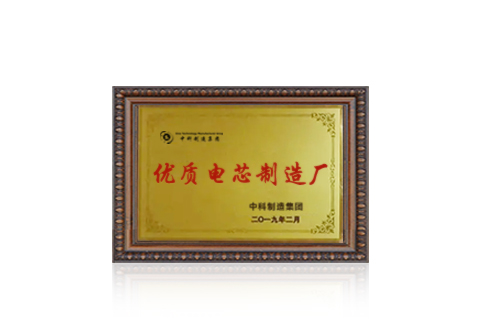
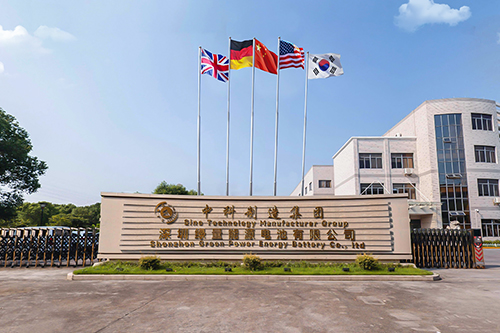
Shenzhen Green Power Energy Battery Co.,ltd specializes in a wide range of digital battery such as environmental cylindrical 18650 21700 32700 26650 14500 18500 lithium ion rechargeable battery, LifePO4 battery, 3.7V lithium polymer battery, NiMH battery, NiCD battery, dry cell battery, alkaline battery, heavy duty battery, button cell battery etc. we devote to R&D, innovation, production & sales. With automatic production machines we have been exported goods to all over the world over 15years. We have complete exported certificate such as KC, CE, UL, BSCI, ROHS, BIS, SGS, PSE etc
Dongguan Datapower New Energy Co.,ltd is a high-tech production enterprise which specialize in the R&D and production&sale of lithium polymer batteries,drone battery,airplane batteries &battery pack etc.

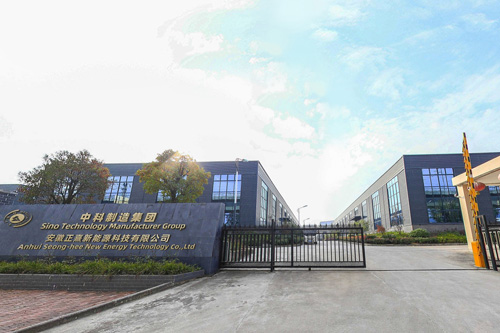
Anhui Seong-hee New Energy Technology Co.,ltd is a high-tech production enterprise which specialize in the R&D and production of primary batteries. And mainly produces and sells alkaline batteries & carbon zinc batteries. there are size AA, AAA, C, D, 9V etc
Guizhou STD Battery Co.,ltd is a high-tech production enterprise which specialize in the R&D and production & sale of lithium polymer batteries, drone battery, airplane batteries & battery pack etc.

source:Industry News release time:2025-06-11 Hits: Popular:AG11 battery

Liquid electrolytes are critical components of lithium - ion batteries, serving as the ionic conduction medium between the cathode and anode while maintaining electrical insulation. The composition of liquid electrolytes typically includes solvents, lithium salts, additives, and in some cases, conductivity enhancers, each playing a distinct role in optimizing battery performance.
1. Solvents: The Core Matrix
Solvents in liquid electrolytes must exhibit high ionic conductivity, thermal stability, and compatibility with electrode materials. The most commonly used solvents are organic carbonates, including:
Ethylene Carbonate (EC): A high - boiling - point solvent that forms a stable solid electrolyte interface (SEI) layer on the anode, crucial for preventing electrolyte decomposition and lithium dendrite growth. EC is often used in combination with other solvents due to its high viscosity.
Propylene Carbonate (PC): Features lower viscosity than EC but may co - intercalate into graphite anodes, causing layer expansion and capacity fading. Thus, it is rarely used alone in graphite - based systems but finds applications in specialty batteries (e.g., lithium - titanate anodes).
Diethyl Carbonate (DEC), Dimethyl Carbonate (DMC), Ethyl Methyl Carbonate (EMC): Low - viscosity solvents that improve electrolyte wettability and ionic mobility. They are often blended with EC to balance SEI formation and conductivity.
For high - temperature or fast - charging applications, fluoroalkyl carbonates (e.g., fluoroethylene carbonate, FEC) are added to enhance thermal stability and SEI quality.
2. Lithium Salts: Source of Lithium Ions
Lithium salts dissociate into lithium ions (\(\text{Li}^+\)) and anions, enabling ionic conduction. Key requirements for lithium salts include high solubility, low toxicity, and stable electrochemical performance:
Lithium Hexafluorophosphate (LiPF₆): The most widely used salt due to its balanced solubility (≈1.0 M in EC/DMC blends) and moderate cost. However, it is sensitive to moisture, hydrolyzing to form HF, which can corrode electrodes.
Lithium Bis(Trifluoromethanesulfonyl)Imide (LiTFSI): Offers higher thermal stability and conductivity than LiPF₆ but may cause aluminum current collector corrosion if not properly stabilized.
Lithium Tetrafluoroborate (LiBF₄): Used in niche applications for its low viscosity, though with lower conductivity than LiPF₆.
Lithium Bis(Oxalato)Borate (LiBOB): Enhances SEI stability on both graphite and silicon anodes, making it suitable for high - capacity systems.
3. Additives: Performance Optimization
Additives are included in trace amounts (typically <5%) to address specific challenges:
SEI Forming Additives: e.g., vinylene carbonate (VC) or ethyl phenyl carbonate (EPC), which react with the anode to form a thin, dense SEI layer, improving cycle life.
Cathode Interface Stabilizers: e.g., lithium nitrate (LiNO₃), which suppresses electrolyte oxidation on high - voltage cathodes (e.g., LiCoO₂, NCM 811).
Flame - Retardant Additives: e.g., triphenyl phosphate (TPP), which reduce flammability in safety - critical applications.
Conductivity Enhancers: e.g., lithium nitrate or lithium bis(fluorosulfonyl)imide (LiFSI), which lower the solvent’s dielectric constant and improve \(\text{Li}^+\) mobility.
4. Challenges and Trends
Water Sensitivity: Moisture in electrolytes reacts with LiPF₆ to form HF, degrading electrodes. Strict drying processes (moisture <10 ppm) are essential.
High - Voltage Compatibility: As cathodes evolve toward 4.5 V and beyond, electrolytes must resist oxidation. Fluorinated solvents and lithium - rich salts (e.g., LiDFP) are being explored.
Silicon Anode Integration: Electrolytes must tolerate large volume changes (up to 300%) in silicon, requiring additives like cyclopropane carbonate (CPC) to stabilize the SEI.
Read recommendations:
No.5 card-mounted carbon battery R6P
Development prospect of lithium battery
Advantages and disadvantages of lithium battery
Last article:Lithium-Ion Battery Module Design
Next:Safety Performance Analysis of Polymer Batteries
Popular recommendation
1.2V Ni-MH Battery
2023-03-2218650 battery
2023-03-22521133 battery
2023-03-222200mah 18650 battery
2023-03-22603450 battery
2023-03-22402427 260MAH 3.7V
2023-06-12R03P
2022-08-1918650 1500mAh 3.7V
2022-08-19701224 145MAH 3.7V
2023-06-10801538 480MAH 3.7V
2023-06-10402030 180MAH 3.7V
2023-06-12LR03
2022-11-22LR03
2022-11-16603450 1200MAH 3.7V
2023-06-10Ni-MH AA2000mAh 1.2V
2022-07-0118650 battery 3.7v 6000mah
2023-06-2518650 lithium ion battery
2023-06-25battery aaa alkaline
2023-06-2518650 battery pack direct sales
2023-06-252025 button cell battery
2023-06-25Deadly Disadvantages of Graphene Batteries
2024-12-03Polymer lithium battery and lithium battery difference
2024-03-15batteries aaa.Technical characteristics of lithium titanate batteries
2024-01-095kwh energy storage battery.12V lithium battery
2023-12-07Capacity of Cylindrical Lithium Batteries
2025-04-17The advantages and disadvantages of ternary lithium batteries.22kwh energy storage battery manufactu
2023-04-07The advantages and deficiencies of lithium ion battery.rechargeable solar energy storage battery Man
2023-04-08Button battery electric.lithium battery for solar energy storage system Manufacturing
2023-04-08Indoor Acer Station Power Supply Solution with Tight Space.602030 polymer battery
2023-07-21How does lithium iron phosphate battery work at high temperature?6000mah 3.2v lifepo4 battery
2023-03-28
360° FACTORY VR TOUR