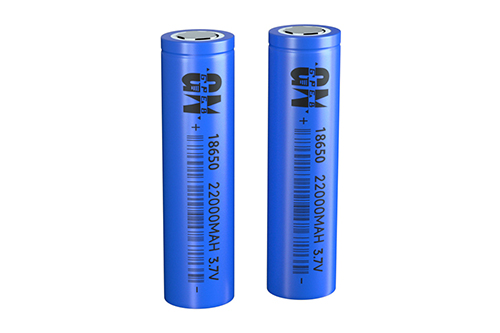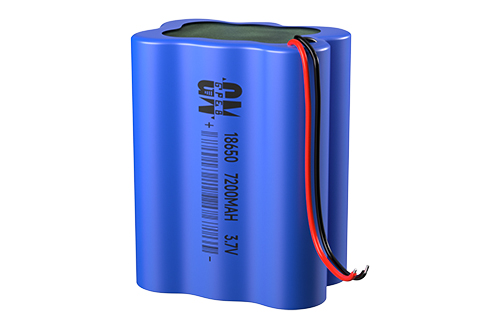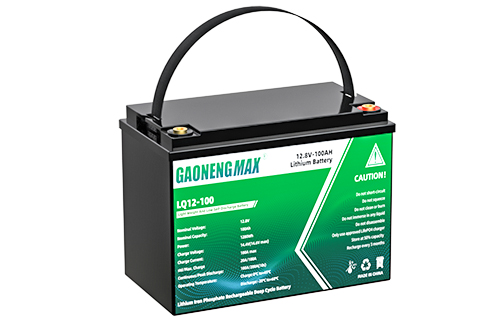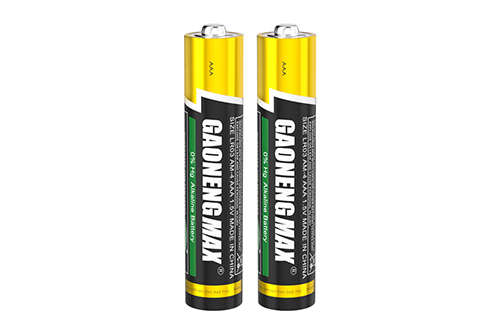
Lithium Battery 3.7V Lithium Polymer Battery 3.2V LifePo4 Battery 1.2V Ni-MH Battery Button Coin Battery

3.7V Battery Pack 7.4V Battery Pack 11.1V Battery Pack 14.8V Battery Pack Other Battery Pack
Sino Science&Technology Battery Co.,ltd is a high-tech production enterprise which specialize in the R&D and production of Lifepo4 batteries,energy storage battery,portable UPS power supply,personalized customization lithium battery pack etc .

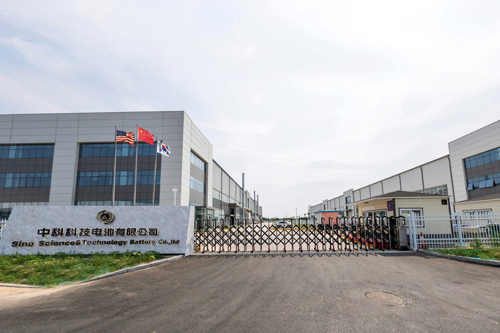
Environmental cylindrical 18650 21700 32700 26650 14500 18500 lithium ion rechargeable battery, LifePO4 battery,3.7V lithium polymer battery, NiMH battery , NiCD battery ,Lead acid battery,dry cell battery ,alkaline battery ,heavy duty battery, button cell battery etc. we devote to R&D,innovation ,production & sales

Shenzhen Green Power Energy Battery Co.,ltd specializes in a wide range of digital battery such as environmental cylindrical 18650 21700 32700 26650 14500 18500 lithium ion rechargeable battery, LifePO4 battery, 3.7V lithium polymer battery, NiMH battery, NiCD battery, dry cell battery, alkaline battery, heavy duty battery, button cell battery etc. we devote to R&D, innovation, production & sales. With automatic production machines we have been exported goods to all over the world over 15years. We have complete exported certificate such as KC, CE, UL, BSCI, ROHS, BIS, SGS, PSE etc

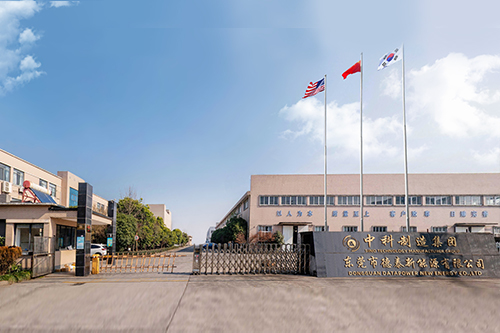
Dongguan Datapower New Energy Co.,ltd is a high-tech production enterprise which specialize in the R&D and production&sale of lithium polymer batteries,drone battery,airplane batteries &battery pack etc.
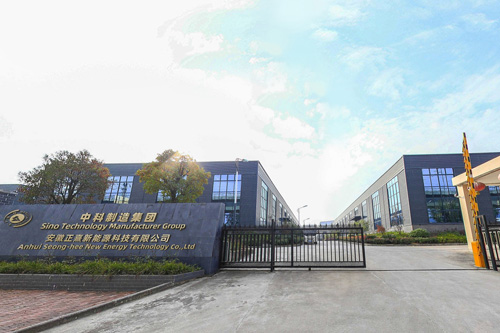
Anhui Seong-hee New Energy Technology Co.,ltd is a high-tech production enterprise which specialize in the R&D and production of primary batteries. And mainly produces and sells alkaline batteries & carbon zinc batteries. there are size AA, AAA, C, D, 9V etc
Guizhou STD Battery Co.,ltd is a high-tech production enterprise which specialize in the R&D and production & sale of lithium polymer batteries, drone battery, airplane batteries & battery pack etc.

release time:2025-06-06 Hits: Popular:AG11 battery
Polymer Battery Automation Production Line
The advent of automation in polymer battery production lines has revolutionized the manufacturing landscape, enabling higher productivity, improved quality, and enhanced cost - effectiveness. In an era where the demand for polymer batteries is soaring across multiple industries, from portable electronics to electric vehicles, automation has become a key differentiator for manufacturers.
Automated polymer battery production lines typically commence with the automated feeding of raw materials. Precision weighing and dispensing systems ensure that the correct proportions of active materials, conductive agents, and binders are accurately measured and delivered to the mixing equipment. This eliminates human error associated with manual material handling and significantly improves the consistency of the slurry used in electrode production.
The mixing process itself can be highly automated. High - speed, computer - controlled mixers are capable of achieving homogeneous blends in a shorter time compared to manual mixing. These mixers often come equipped with sensors that monitor parameters such as temperature, viscosity, and mixing time, allowing for real - time adjustments to optimize the mixing process.
Automated coating systems play a pivotal role in the production line. These systems can precisely control the coating thickness, speed, and uniformity. Robotic arms are increasingly being used to load and unload the current collectors onto the coating machines, further streamlining the process. In addition, automated inspection systems can be integrated into the coating line to detect any defects, such as coating thickness variations or surface irregularities, in real - time. This immediate feedback enables prompt corrective actions, reducing the production of defective products.
The drying process in an automated production line is also optimized for efficiency. Automated conveyor systems transport the coated electrodes through the drying ovens, ensuring a continuous and consistent drying process. The drying conditions, such as temperature and humidity, can be precisely controlled by programmable logic controllers (PLCs) to meet the specific requirements of different battery chemistries and materials.
Electrode pressing in an automated setup is carried out by highly precise hydraulic or servo - controlled presses. These presses can apply the required pressure with great accuracy and repeatability. The automated feeding and unloading of electrodes to and from the presses further enhance the production speed and efficiency.
Cell assembly is another area where automation has made significant inroads. Automated stacking or winding machines can precisely assemble the electrodes and separators to form the battery cells. These machines are designed to handle different cell sizes and configurations, offering flexibility in production. In addition, automated welding systems are used to connect the electrodes and tabs, ensuring reliable electrical connections.
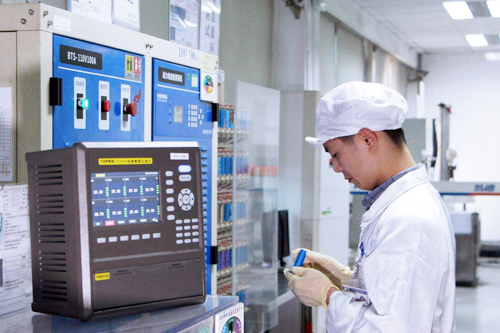
Quality control in an automated polymer battery production line is comprehensive and real - time. Automated optical inspection (AOI) systems can detect physical defects on the electrodes and cells, while automated electrochemical testing stations can measure the electrical performance of the cells. Any cells that do not meet the predefined quality standards are automatically sorted out, minimizing the chances of defective products reaching the market.
Automated packaging systems complete the production line. These systems can efficiently package the finished battery cells or modules, ensuring proper protection during storage and transportation. The entire automated production line is often integrated and controlled by a central control system, which coordinates the operation of all the individual components, monitors production metrics, and provides valuable data for process optimization.
the adoption of an automated polymer battery production line offers numerous advantages, including increased production capacity, improved product quality, reduced labor costs, and enhanced process control. As technology continues to advance, the level of automation in polymer battery manufacturing is expected to further increase, driving the industry towards greater efficiency and innovation.
Read recommendations:
Is it better to use lithium battery or lead acid battery for forklift?
Recycling and Treatment of Lithium - Ion Pouch Batteries
Last article:Process Requirements for Lithium Batteries
Next article:Polymer Battery Smart Manufacturing Applications
Popular recommendation
801520 battery sales
2023-03-22solar energy storage system battery pack lithium
2023-05-0918650 battery 1800 mah
2023-03-22601525 lipo battery
2023-03-22AA Ni-MH batteries manufacturer
2023-03-22Lithium-ion battery GN200
2022-07-29701221 120mAh 3.7V
2022-07-01402030 180mAh 3.7V
2022-08-19Snow board shoulder strap set
2022-09-22102540 1100mAh 3.7V
2022-08-19602248 600mAh 3.7V
2022-07-01Lithium-ion battery GN200 60000mAh
2022-08-19801752 720MAH 3.7V
2023-06-10801538 480mAh 3.7V
2022-08-19LR14
2022-11-22polymer lithium battery
2023-06-253.7v 18650 battery pack
2023-06-2518650 battery pack company
2023-06-25402030 battery
2023-06-25li ion 18650 battery pack company
2023-06-25What causes the loss of battery energy
2022-11-04Fast-Charging Lithium-Ion Batteries
2024-12-1718650 lithium battery is the best companion for outdoor exploration
2024-07-08Charging and discharging cycles of lithium iron phosphate batteries
2024-01-18Lithium-Battery Recycling and Green Manufacturing Technology
2025-09-01Why are imported cells more expensive than domestic cells?1.2V NiMH batteries
2023-08-02Lithium battery customization.connector for energy storage battery manufacturer
2023-04-14Code for battery pack.702535 battery
2023-05-18Lithium battery SOC.402030 lipo battery
2023-07-03Vigorously Nuclear fusion lithium battery.502030 polymer battery
2023-07-21
360° FACTORY VR TOUR